
Cats are experts at hiding signs of illness, making it challenging for pet parents to know when something's wrong. While cats can use purring to help soothe stress and heal minor ailments, they often mask more serious health issues until they become severe.
Understanding the subtle signs your cat isn’t well can help you get your companion the veterinary care they need before conditions worsen. This ability to recognize early warning signs is particularly important since many feline health issues can progress rapidly without intervention.
1. Changes in Eating and Drinking Habits

A sudden change in appetite is a common sign that your cat isn't feeling well. Whether it's eating more or less than usual, any significant change warrants attention.
Decreased appetite can lead to hepatic lipidosis, a serious liver condition that can develop when cats stop eating for even just a few days.
This condition is particularly dangerous because it can create a vicious cycle – the less your cat eats, the worse they feel, and the less they want to eat.
Meanwhile, increased appetite might indicate thyroid issues or diabetes. Similarly, changes in water consumption – either drinking excessively or avoiding the water bowl – can signal kidney disease or other health concerns.
Pay attention to how often you need to refill the water bowl, as this can be an easy way to monitor your cat's drinking habits.
Read Next: 10 Signs Your Cat doesn’t Listen to You
2. Respiratory Issues and Nasal Discharge

If you notice your cat coughing, wheezing, or showing signs of labored breathing, don't wait to seek medical attention. These symptoms, especially when accompanied by discharge from the nose or eyes, often indicate a respiratory infection.
While some respiratory issues might seem mild initially, they can quickly become serious without proper treatment.
Cats with respiratory problems might also show decreased activity levels, loss of appetite, or seem to tire more easily during play. In some cases, you might notice them breathing with their mouth open or taking quick, shallow breaths.
Any of these signs, particularly in combination with nasal or eye discharge, should prompt immediate veterinary attention, as respiratory infections can progress rapidly in cats.
Read Next: 10 Signs of a Happy Cat
3. Unusual Litter Box Behavior

Changes in litter box habits are often an obvious sign of illness that shouldn't be ignored. Watch for:
- Urinating outside the box
- Straining to urinate
- Crying while using the box
- Frequent trips with little output
- Blood in urine or stool
- Changes in stool consistency
- Excessive time spent in the litter box
These changes can indicate urinary tract infections, kidney disease, or, in male cats, potentially life-threatening urinary blockages that require immediate veterinary attention.
It's important to note that litter box issues aren't just behavioral; they're often one of the first signs of illness in cats, and prompt medical intervention can prevent serious complications.
Read Next: 10 Signs Your Cat Considers You its Best Friend
4. Signs of Pain or Distress

Cats typically maintain a composed demeanor, so unusual vocalization, hiding, or aggressive behavior can indicate discomfort. While these signs might be subtle, persistent changes in your cat's normal behavior patterns shouldn't be dismissed.
Cats might show stress and pain through:
- Excessive grooming of one area
- Hunched posture
- Squinted eyes
- Flattened ears
- Unusual aggression when touched
- Changes in sleeping patterns
Read Next: 10 Signs Your Cat Sees You as a Protector
5. Lethargy and Behavioral Changes

While cats are known for their love of napping, excessive fatigue isn't normal. If your cat becomes unusually sedentary, loses interest in favorite activities, or spends unusual amounts of time hiding, these could be subtle signs of illness. Unexplained weight loss often accompanies these behavioral changes and should never be ignored.
Pay particular attention if your typically social cat suddenly becomes withdrawn or if an usually independent cat becomes clingy. These behavioral changes, while subtle, can be important indicators of underlying health issues.
Weight loss, in particular, can be a sign of several serious conditions, including dental disease, kidney disease, or even cancer.
Read Next: 10 Signs Your Cat is Mad at You
6. Vomiting

The occasional hairball is normal, but frequent or ongoing vomiting is a warning sign that requires investigation. If vomiting occurs alongside reduced eating, drinking, or urination, consider it a medical emergency. Even if your cat maintains normal eating habits, repeated vomiting should be discussed with your veterinarian.
It's important to distinguish between acute vomiting (sudden onset) and chronic vomiting (occurring over time). While acute vomiting might be caused by eating something inappropriate, chronic vomiting often indicates underlying health issues that require professional evaluation and treatment.
Read Next: 10 Signs Your Cat Doesn’t Love You
7. Physical Abnormalities
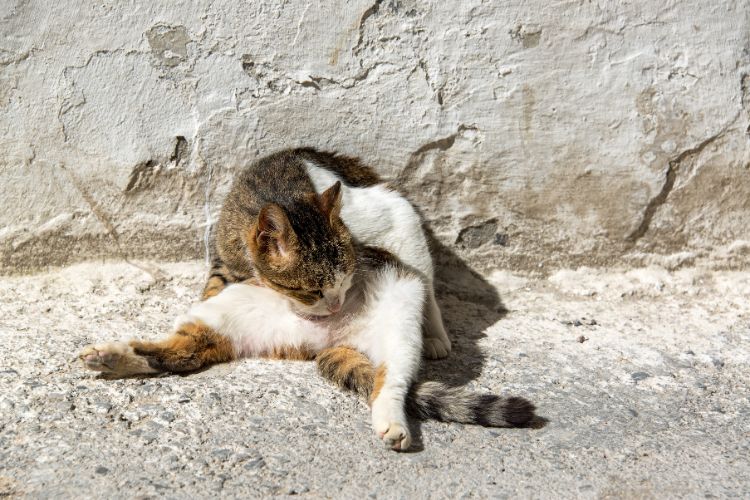
Any lumps, bumps, or unusual growths on your cat deserve professional evaluation. While some growths may be benign, others could indicate serious conditions.
Regular grooming sessions provide an excellent opportunity to check for these physical changes and other signs of illness, such as skin problems, matted fur, or sensitive areas.
Pay attention to any changes in your cat's coat as well. A dull, unkempt coat or excessive shedding can indicate nutritional deficiencies or other health issues.
Similarly, bald patches or areas of irritated skin should be evaluated by a veterinarian.
Read Next: 10 Warning Signs Cat Owners Tend to Ignore
8. Mobility Issues

If your cat shows difficulty walking, particularly dragging their back legs, seek immediate veterinary care. This could indicate various conditions, including a serious complication called aortic thromboembolism, which often occurs in cats with heart disease. Any sudden changes in how your cat moves warrant prompt medical attention.
Watch for more subtle mobility changes too, such as:
- Reluctance to jump up or down
- Difficulty using the stairs
- Limping or favoring one side
- Changes in gait or walking pattern
- Stiffness after resting
Read Next: 10 Reasons Cats Make Better Pets than Dogs
9. Post-Injury Concerns

Even if your cat appears fine after an altercation with another animal or an accident, hidden injuries could be present. Internal injuries and wounds that aren't immediately visible can lead to infections or complications without proper veterinary care.
Watch for subtle signs of injury such as:
- Favoring one side
- Decreased appetite
- Lethargy
- Sensitivity to touch
- Changes in grooming habits
- Hiding more than usual
Read Next: 10 Things Your Cat Would Love to Tell You if You Could Understand
10. Dental Issues

Bad breath, drooling, or difficulty eating can indicate dental disease, which affects many cats and can lead to more serious health issues if left untreated. Regular dental check-ups should be part of your cat's preventive care routine.
Dental disease can lead to other health problems, including heart, kidney, and liver disease, making dental health a crucial aspect of your cat's overall well-being.
Read Next: 10 Things People do that Cats Hate
Taking Action

When you notice any of these signs, especially if they persist for more than a day, consult your veterinarian. Early detection and treatment often lead to better outcomes and can prevent minor issues from becoming serious health concerns.
As a responsible pet parent, monitoring these subtle signs and seeking appropriate veterinary care when needed is crucial for maintaining your cat's health and well-being.
Remember, you know your cat best. If something seems off, trust your instincts and don't hesitate to seek professional guidance. Your attention to these warning signs could make a significant difference in your cat's health and quality of life.
Regular veterinary check-ups, combined with your careful observation at home, provide the best foundation for keeping your feline friend healthy and happy for years to come.
Also Read: 10 Warning Signs Cat Owners Tend to Ignore - The Discerning Cat
Like this article from The Discerning Cat? Be sure to follow us.

Amanda created and owns The Discerning Cat. A lifelong cat lover she is the proud parent of two Siberian cats, Alexei and Vladimir. She is passionate about understanding cats and different cat breeds.


